
April Health Message: Hydration and Bladder Health
Staying hydrated is one of the simplest and most powerful ways to protect bladder health, yet it is also one of the most overlooked. For many people, daily water intake fluctuates with routine, weather, activity level, and even stress. But consistent hydration plays a critical role in how well the bladder, kidneys, and entire urinary system function. This month, YUA Yakima is highlighting the importance of proper fluid intake and how it supports long‑term urinary health for individuals and families in our community.
Why Hydration Matters for Bladder Health
1. Diluting Urine and Reducing Irritation
When you don’t drink enough water, urine becomes concentrated—darker, stronger-smelling, and more acidic. Concentrated urine irritates the bladder lining and can trigger symptoms such as urgency, burning, or discomfort. Research shows that dehydration increases bladder irritation and can worsen symptoms for people with sensitive bladders or conditions like interstitial cystitis.
2. Supporting Kidney Function and Preventing Stones
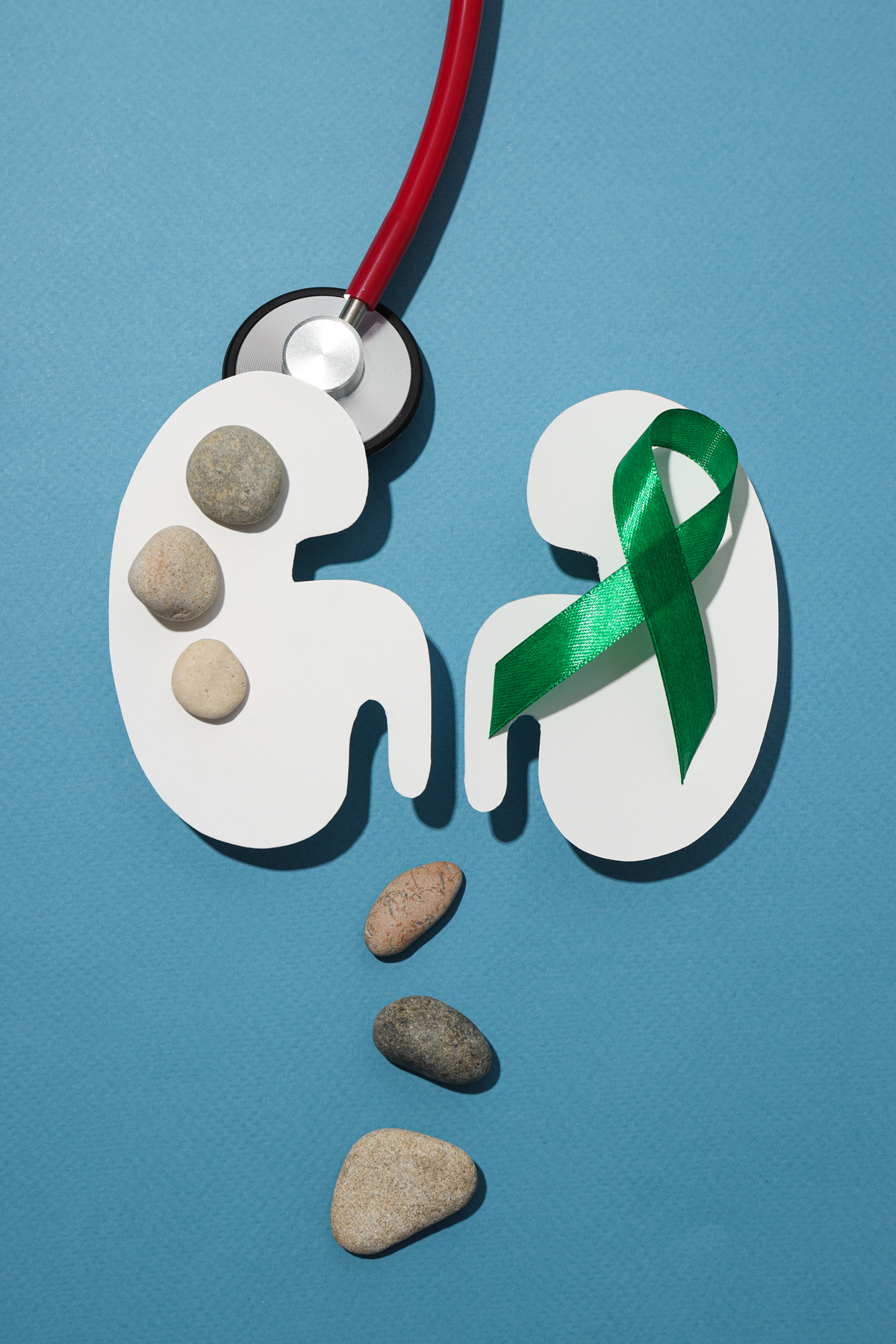
Water helps dissolve minerals and waste products so they can be removed safely. Chronic dehydration increases the risk of kidney stones, which form when minerals crystallize in concentrated urine. Adequate hydration significantly reduces stone formation and supports healthy kidney filtration.
3. Maintaining Healthy Bladder Muscle Function
Like any muscle, the bladder relies on proper hydration to maintain elasticity and function. Drinking enough water helps the bladder fill and empty efficiently, reducing the risk of urinary retention and overactivity.
Signs You May Not Be Drinking Enough
Hydration needs vary, but the body gives clear signals when fluid intake is too low. Common signs of dehydration that affect bladder health include:
- Dark yellow or amber-colored urine
- Strong-smelling urine
- Burning or irritation during urination (without infection)
- Infrequent urination
- Constipation, which can worsen bladder pressure
- Increased urgency, despite drinking less (a common paradox)
A simple rule of thumb: pale straw-colored urine usually indicates healthy hydration.

Hydration Tips for Better Bladder Health
1. Sip Water Regularly
Small, frequent sips are easier on the bladder than large amounts at once.
2. Front‑Load Fluids Earlier in the Day
Drinking more in the morning and early afternoon reduces nighttime bathroom trips.
3. Limit Bladder Irritants
Caffeine, alcohol, and carbonated drinks can irritate the bladder and increase urgency.
4. Include Water‑Rich Foods
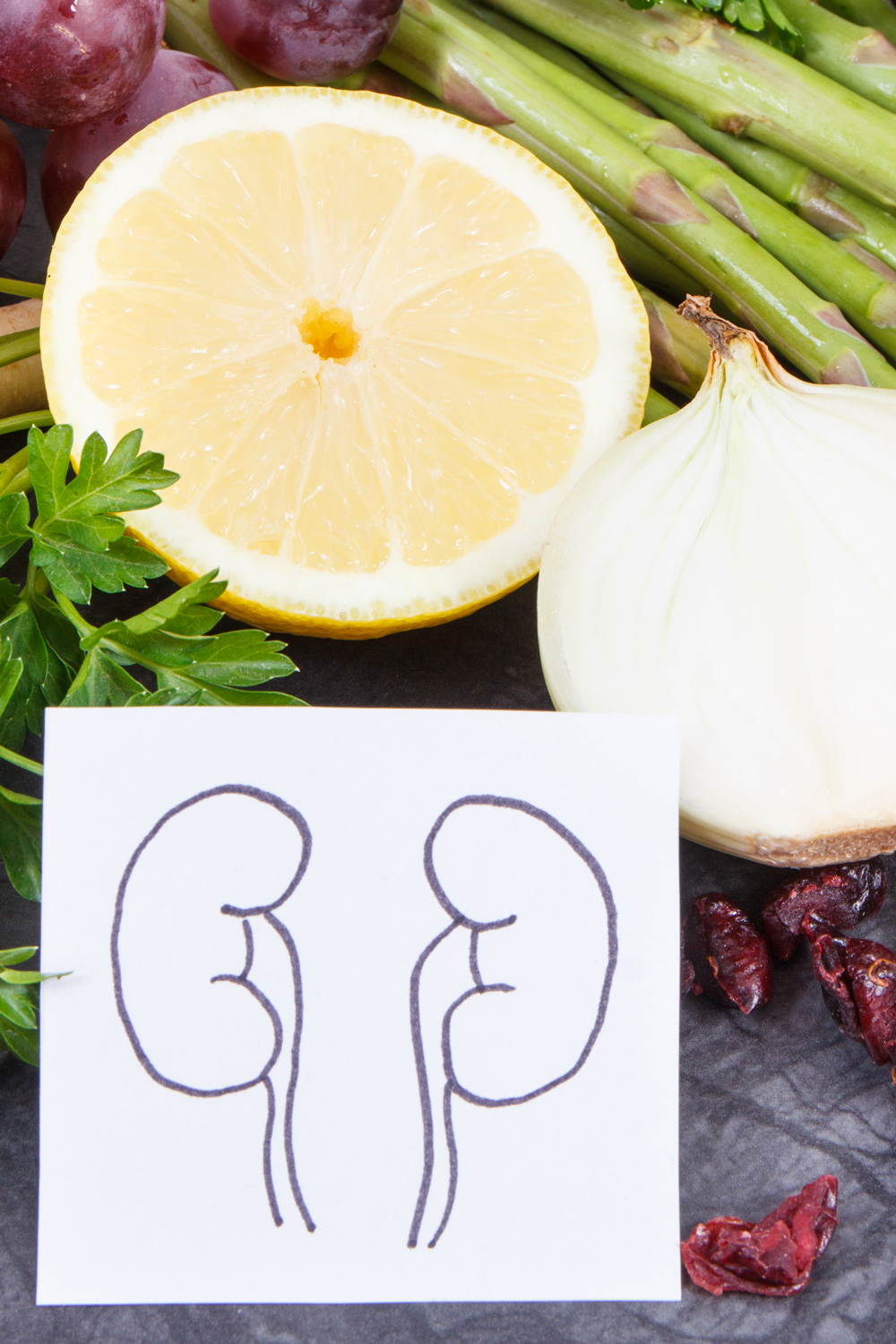
Fruits and vegetables such as cucumbers, watermelon, oranges, and leafy greens help support hydration.
5. Monitor Urine Color
Clear to pale yellow is ideal; darker shades signal dehydration.
6. Don’t Restrict Fluids to Avoid Urgency
Many people drink less to reduce bathroom trips, but this backfires—concentrated urine irritates the bladder and increases urgency.
YUA Is Here For You
At YUA Yakima, we encourage families to make hydration a daily habit. Whether through water bottles at school, hydration reminders at work, or choosing water-rich foods at home, small changes can make a big difference in urinary health.
This April, we invite our community to:
Carry a reusable water bottle
Choose water over sugary drinks
Check urine color daily
Encourage children and elders to drink regularly
Talk with a healthcare provider if bladder symptoms persist
Proper hydration is one of the easiest, most affordable ways to protect your bladder, kidneys, and overall urinary health. By making hydration a priority, we can reduce infections, improve comfort, and support long-term wellness for everyone in our community.