November Health Message: Chronic Kidney Disease and Urology
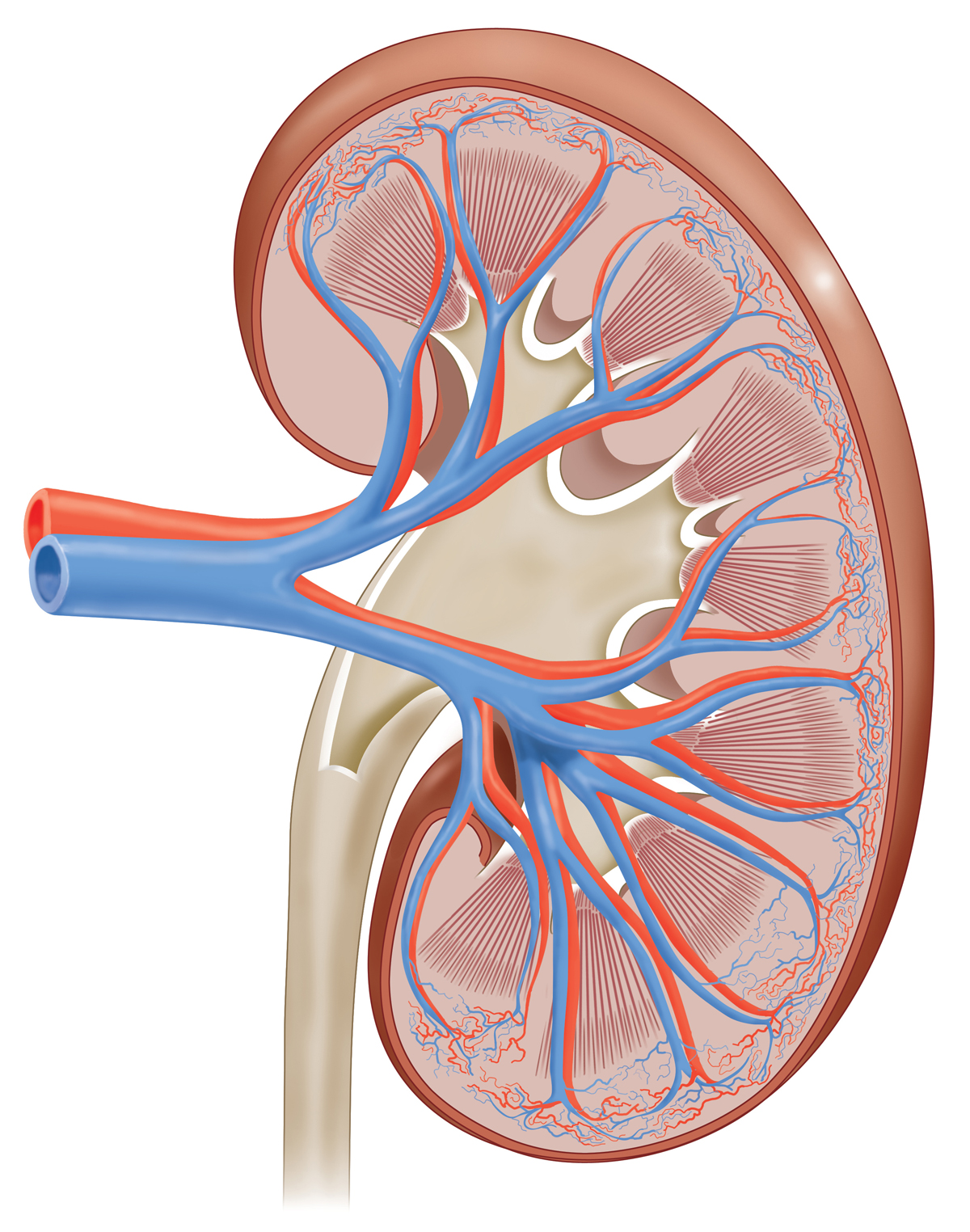
November is an important time to raise awareness about Chronic Kidney Disease (CKD) and the steps individuals can take to protect their kidney health. Millions of people live with kidney disease, and many do not realize they have it until the condition has progressed. Because kidneys play a vital role in filtering waste, balancing fluids, regulating blood pressure, and supporting overall health, taking care of these organs is essential for long-term wellness.
What Is Chronic Kidney Disease?
Chronic Kidney Disease is a condition in which the kidneys gradually lose their ability to function properly over time. Healthy kidneys remove waste products and excess fluids from the body through urine. When kidney function declines, toxins and fluids can build up, potentially leading to serious health complications.
CKD often develops slowly and may not cause noticeable symptoms during its early stages. As the disease progresses, individuals may experience fatigue, swelling in the hands or feet, changes in urination, high blood pressure, difficulty concentrating, or loss of appetite. Early detection is one of the most effective ways to slow the progression of kidney disease and maintain quality of life.
Understanding the Urologist’s Role in Kidney Health
Many people associate urologists primarily with bladder or urinary tract issues, but urologists also play a critical role in kidney health. A urologist specializes in diagnosing and treating conditions affecting the urinary tract and related organs, including the kidneys.
Urologists help identify and manage conditions that can lead to kidney damage, such as:
- Kidney stones
- Urinary tract obstructions
- Recurrent urinary tract infections
- Enlarged prostate affecting urinary flow
- Congenital urinary tract abnormalities
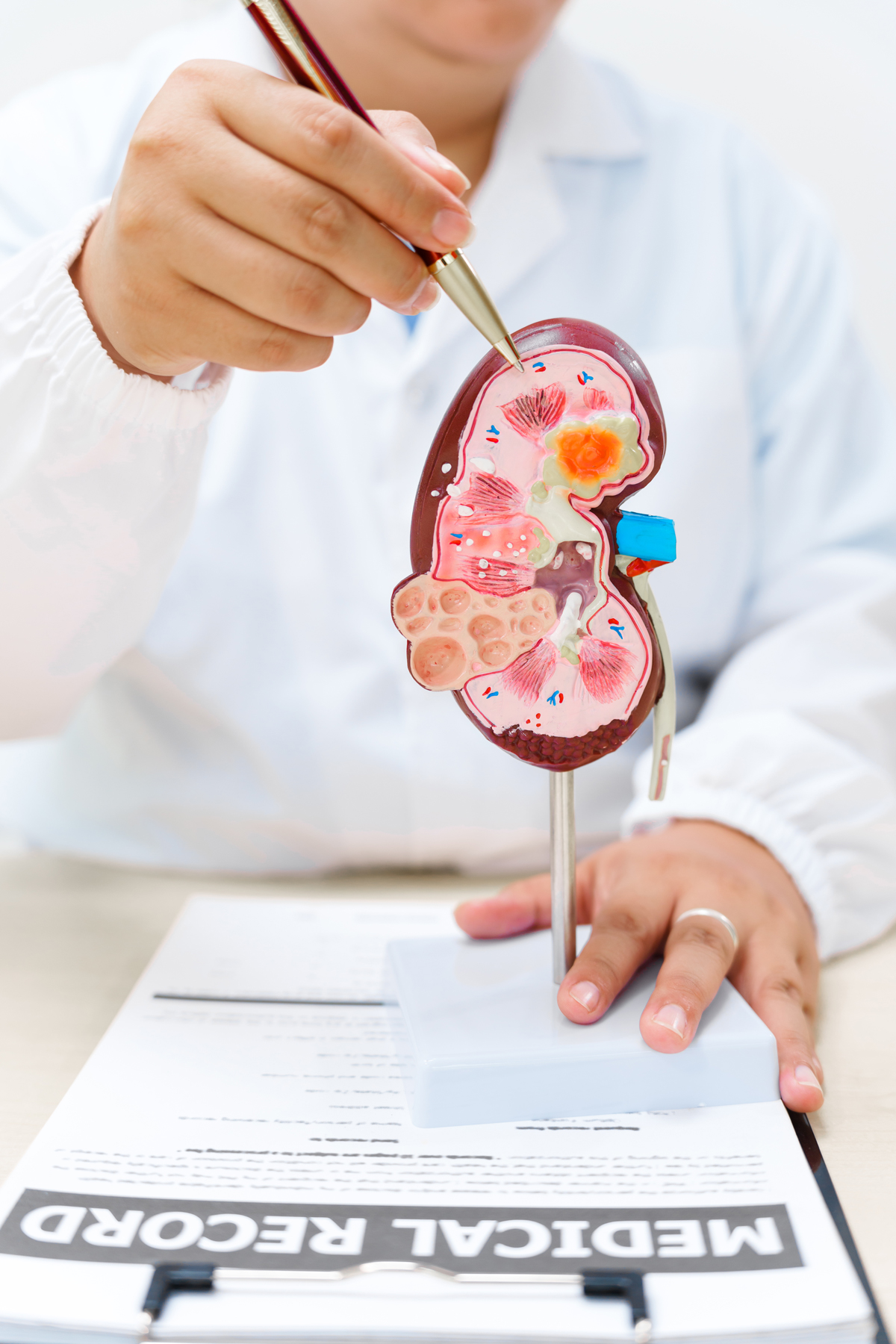
- Kidney cysts and tumors
By addressing these conditions early, urologists can help prevent additional stress or damage to the kidneys. They often work closely with primary care providers and nephrologists to develop comprehensive treatment plans for individuals with kidney-related conditions.
Risk Factors for Chronic Kidney Disease
Anyone can develop CKD, but certain factors increase the risk. These include:
- Diabetes
- High blood pressure
- Heart disease
- Family history of kidney disease
- Obesity
- Smoking
- Older age
- Frequent urinary tract problems
Understanding personal risk factors can empower individuals to make informed decisions about their health and seek regular screenings when appropriate.



Prevention Starts with Healthy Habits
While not all kidney disease can be prevented, there are many steps people can take to reduce their risk and promote healthy kidney function:
Stay Hydrated: Drinking an adequate amount of water helps the kidneys remove waste and maintain healthy urinary function.
Manage Blood Pressure: High blood pressure is one of the leading causes of kidney disease. Regular monitoring and following medical recommendations can protect kidney health.
Control Blood Sugar Levels: Individuals with diabetes should work closely with healthcare providers to keep blood sugar levels within recommended ranges.
Eat a Kidney-Friendly Diet: Focus on fruits, vegetables, whole grains, lean proteins, and reduced sodium intake. Healthy eating supports both kidney and cardiovascular health.
Stay Physically Active: Regular exercise helps maintain a healthy weight, improve circulation, and lower the risk of conditions that affect kidney function.
Avoid Tobacco Products: Smoking can damage blood vessels and reduce blood flow to the kidneys, increasing the risk of kidney disease.
Use Medications Responsibly: Some over-the-counter pain medications can affect kidney function when used excessively. Always follow recommended dosing and consult a healthcare provider with questions.
Early Detection Saves Lives
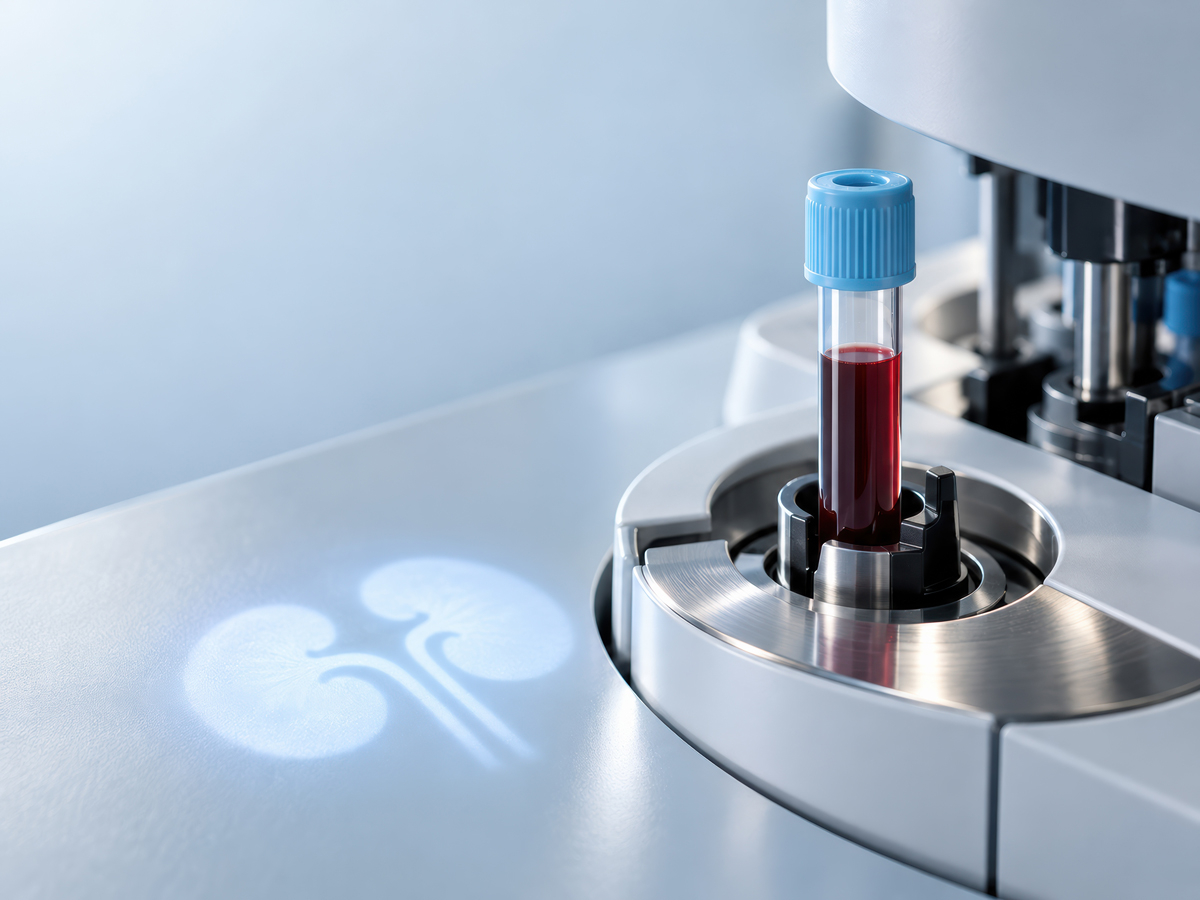
Because kidney disease often develops without obvious symptoms, routine health screenings are essential. Blood tests and urine tests can help identify kidney problems before significant damage occurs. Individuals with diabetes, high blood pressure, or a family history of kidney disease should discuss regular kidney screenings with their healthcare provider.
Early diagnosis allows for treatment strategies that may slow disease progression, reduce complications, and improve overall health outcomes.
A Community Commitment to Kidney Health
This November, take time to learn more about kidney health, encourage loved ones to schedule preventive screenings, and make healthy lifestyle choices that support lifelong wellness. Raising awareness about Chronic Kidney Disease and understanding the important role of urologists can help individuals recognize potential concerns early and access the care they need.
Protecting your kidneys starts with awareness, prevention, and proactive healthcare. Small steps today can make a lasting difference in maintaining healthy kidneys and a healthier future for generations to come.
Your health matters. Talk to your provider at YUA about kidney health screenings and take an active role in preventing Chronic Kidney Disease through healthy lifestyle choices and regular medical care.