
October Health Message: Bladder Cancer Awareness
Bladder cancer is one of the most common cancers affecting the urinary system, yet it often goes unnoticed until symptoms become advanced. October is Bladder Cancer Awareness Month, a time to educate our community about the importance of early detection, understanding risk factors, and seeking timely medical care. At YUA Yakima, we aim to empower individuals with knowledge that can save lives through awareness and proactive health decisions.
Understanding Bladder Cancer
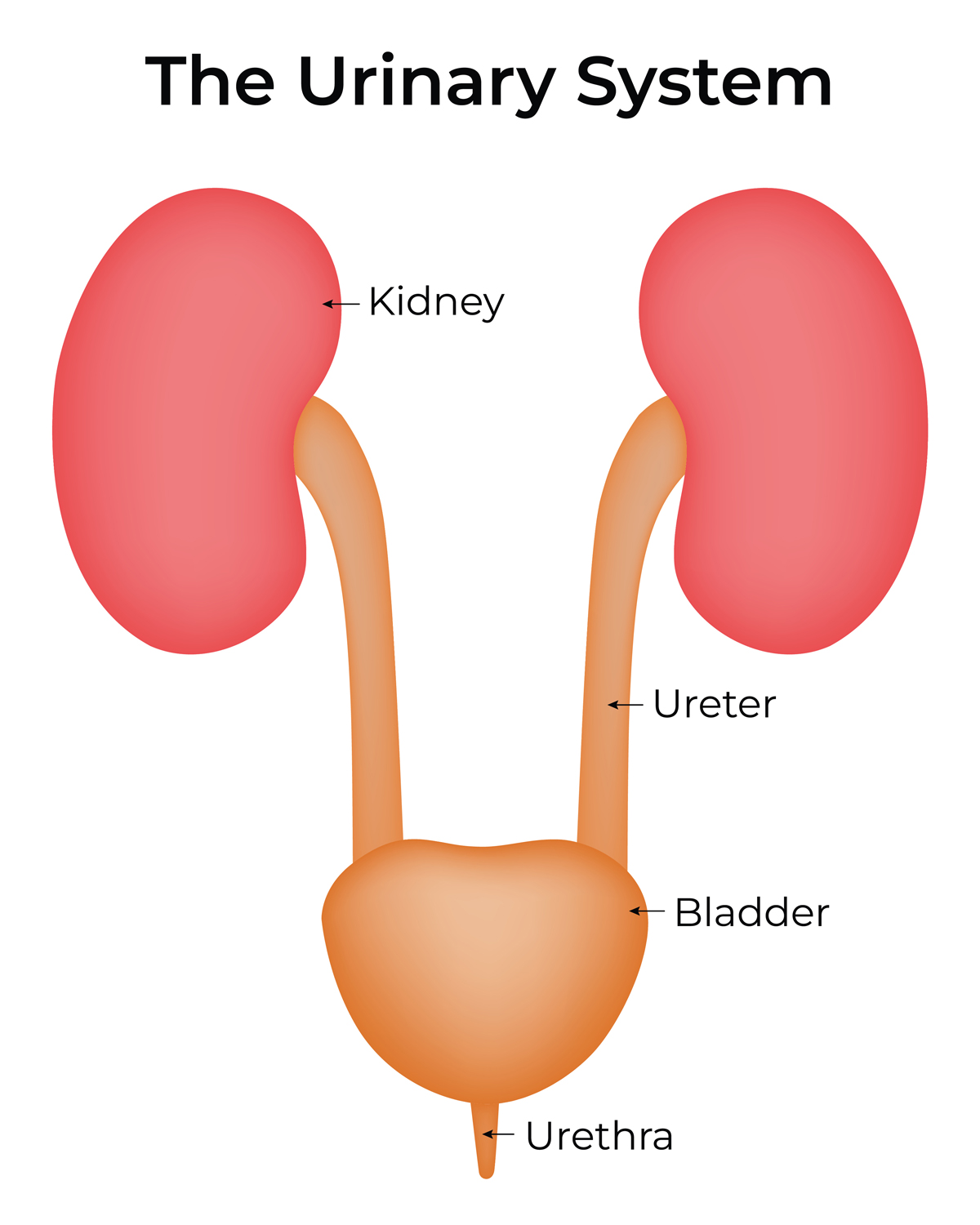
The bladder is a hollow organ that stores urine before it leaves the body. Bladder cancer occurs when abnormal cells grow uncontrollably in the bladder lining.
Most cases are diagnosed in older adults, but anyone can be affected. Early detection is crucial because bladder cancer is highly treatable when found in its initial stages.
Common Signs and Symptoms
Recognizing early warning signs can make a significant difference in outcomes. Typical symptoms include:
-
Blood in the urine (hematuria) — often painless and may appear pink, red, or cola-colored
-
Frequent urination or feeling the need to urinate urgently
-
Pain or burning during urination
-
Lower back pain or pelvic discomfort
-
Difficulty urinating or weak urine stream
While these symptoms can also be caused by infections or other conditions, they should never be ignored. Anyone experiencing them should contact a healthcare provider promptly.


Risk Factors
Several factors can increase the likelihood of developing bladder cancer:
- Tobacco use: Smoking is the leading cause, responsible for about half of all cases.
- Chemical exposure: Long-term exposure to certain industrial chemicals used in dyes, rubber, leather, and paint can raise risk.
- Chronic bladder irritation: Recurrent infections or long-term catheter use may contribute.
- Age and gender: It’s more common in people over 55 and occurs more frequently in men.
- Family history and genetics: A family history of bladder cancer or certain genetic mutations can increase susceptibility.
- Previous cancer treatment: Some chemotherapy drugs and pelvic radiation can elevate risk.

The Importance of Early Detection
Early diagnosis dramatically improves survival rates. When bladder cancer is detected early, treatment can often remove the tumor before it spreads. Screening may include:
-
Urinalysis and urine cytology to detect abnormal cells
-
Cystoscopy, a procedure using a small camera to view the bladder lining
-
Imaging tests such as CT or MRI scans to assess the urinary tract
Regular checkups and prompt evaluation of urinary symptoms are key to catching bladder cancer early.
Supporting Awareness in Yakima
At YUA, we encourage our community to take bladder health seriously. This October, we invite everyone to:
-
Learn the signs and share them with family and friends
-
Encourage older adults to discuss urinary symptoms with their doctor
-
Support those undergoing treatment with compassion and understanding
-
Promote healthy habits that protect the bladder
Early detection saves lives — and awareness is the first step. Together, we can help reduce the impact of bladder cancer in our community.